Ditching the panic and building a New Zealand packing list is all about outsmarting the unpredictable West Coast weather.
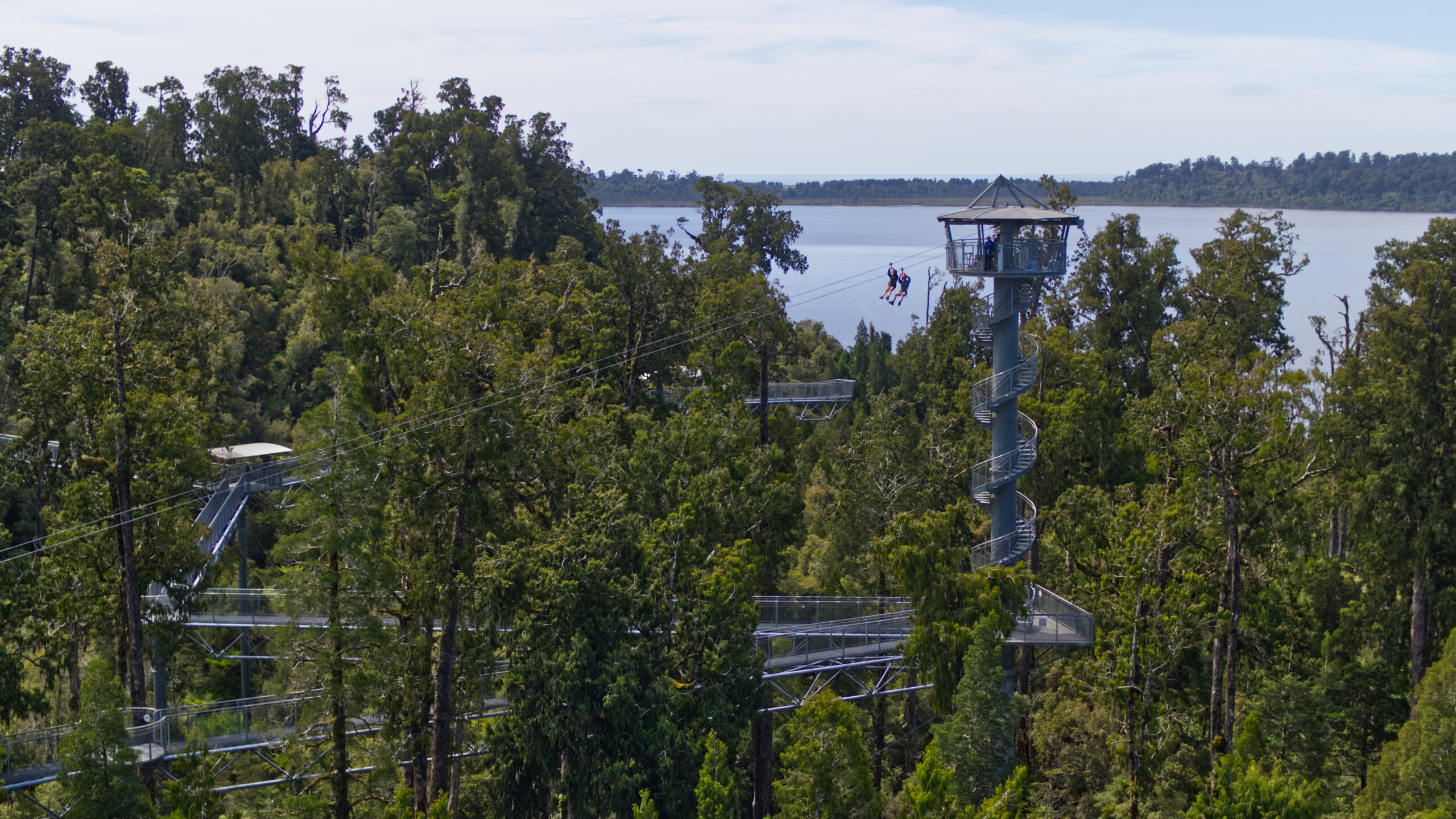
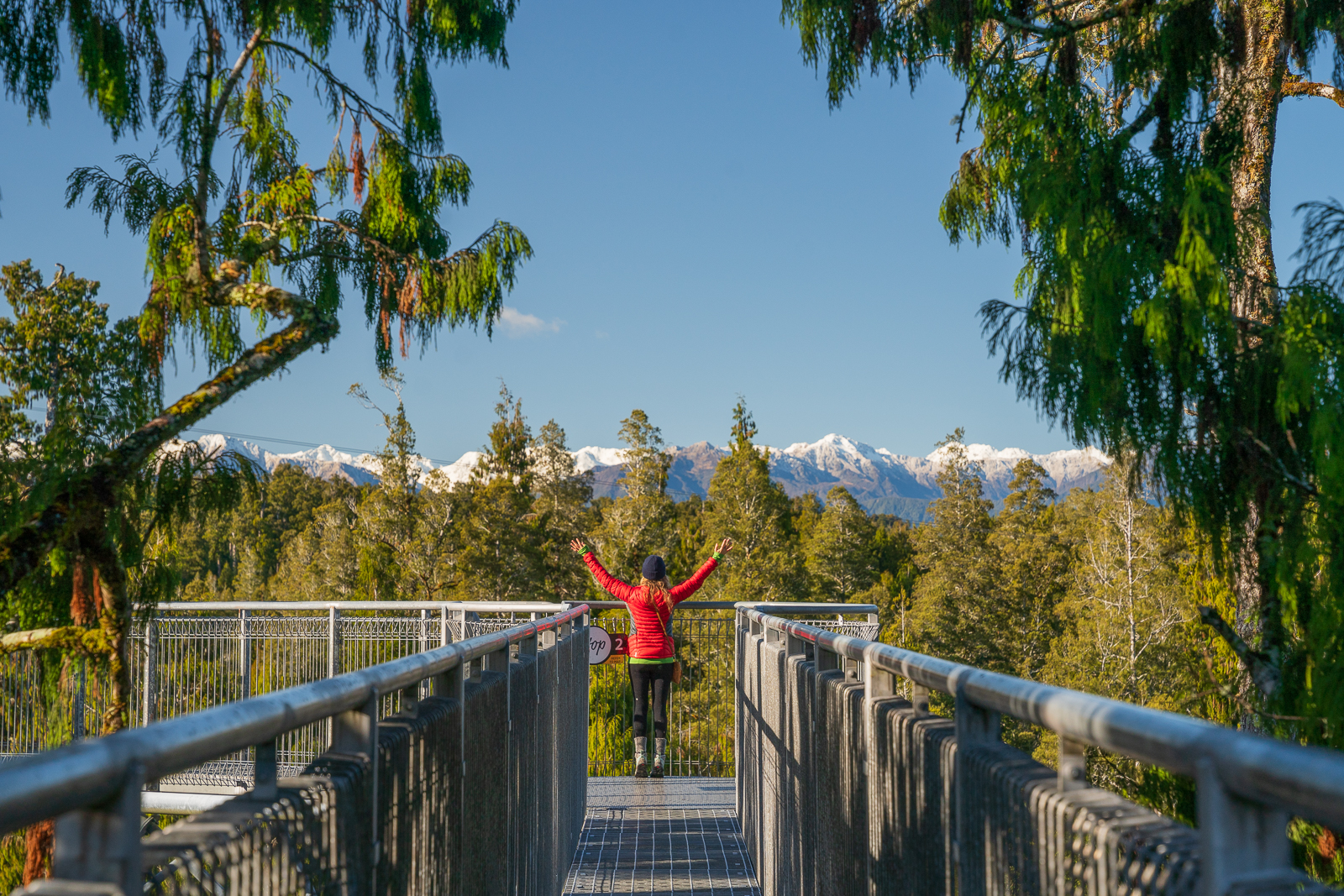
We’ve stripped back the daily requirements to help you pack light and stay dry while you explore. West Coast Treetops is the ultimate place to test those layers while taking in the views from 47 metres up.
- Mastering the layering system for rapid temperature shifts.
- Technical specifications for waterproof protection in the rainforest.
- Essential footwear for rugged South Island trails.
- Survival tips for managing the sun and the local sandflies.
- Travel hacks for keeping clothes fresh and obeying biosecurity laws.
You might be a solo backpacker arriving in the country for the first time, a family unloading a rental car, or a group of friends gathering gear for a scenic tour.
If you’re new to these shores, the environment is as powerful as it is beautiful.
The West Coast weather in NZ famously ignores your itinerary, often swinging from bright sunshine to a heavy downpour in the time it takes to lace your boots.
At West Coast Treetops, we host everyone from toddlers to retirees, and we know that a solid New Zealand packing list is the universal requirement for a successful trip.
Prepare Your Rain Gear for the West Coast of NZ For The Temperate Rainforest
The West Coast receives metres of rainfall every year, which is exactly why the moss is so green and the rivers are so full.
A cheap plastic poncho will not survive the wind or the scrub. In some parts of the West Coast, it rains so heavily that the annual total sometimes reaches over 11 metres!
- A high-quality waterproof jacket with a minimum 15,000mm rating to keep the heavy rain from soaking through to your base layers.
- A waterproof pack cover to protect your camera and dry clothes from moisture that eventually finds its way into your gear.
- Lightweight rain trousers that you can pull on over your shorts when the mist turns into a downpour on the trail.
This level of protection ensures you stay out in the wild for longer without the risk of getting cold and damp.
Build A Versatile New Zealand Packing List Using The Three-Layer Rule
Managing the West Coast weather in NZ comes down to trapping heat and controlling moisture.
Instead, use natural materials that work with your body heat.
- Merino wool base layers that provide warmth even when they get slightly damp and naturally resist the odours of a long day of hiking.
- A mid-layer fleece or wool jersey to act as your primary insulation when the alpine wind kicks up.
- A windproof outer layer to stop the chill from stripping away your body heat while you stand on the Hokitika Tower.
By layering your clothing, you can quickly adjust to the sun or the shade without needing to carry a heavy suitcase everywhere you go.
What Hiking Gear Will Handle The Glacial Moraine?
The terrain on the NZ South Island is often slippery and uneven. Whether you are walking the 1.2km loop at Treetops or climbing toward a glacier, your footwear needs to be reliable.
- Waterproof hiking boots with deep lugs and solid ankle support to prevent slips on wet roots or loose rocks.
- Merino wool hiking socks that provide cushioning and prevent the friction that causes blisters.
- A 20-litre day pack with a comfortable hip belt to carry your water, snacks, and extra layers without straining your shoulders.
Well-broken-in boots are a basic requirement. Never start a trip with a brand-new pair of boots, or you will likely spend your afternoon looking for plasters instead of views.
Pack These Travel Essentials for the South Island To Defeat The Sun And Sandflies
The New Zealand sun is exceptionally strong due to low pollution and a thin ozone layer, while the sandflies are a constant presence near any moving water.
- High SPF 50+ sunscreen to protect your skin from the intense UV rays that burn even on cloudy days.
- Strong insect repellent containing DEET or Picaridin to keep the biting sandflies at bay.
- A reusable water bottle to stay hydrated with the fresh, clean water found across the region.
- A portable power bank to ensure your phone stays charged for those essential map checks and photo opportunities.
These small items are the most frequently forgotten parts of a New Zealand packing list, but they are the ones that save your comfort during a long day outdoors.
Fun Fact: There is an old Māori legend that says the goddess Hinenuitepō created the sandfly (namu) to prevent humans from staying too long in the beautiful landscapes of the West Coast.
She wanted to make sure people kept moving so they wouldn’t neglect their work.
Only female sandflies bite, as they need protein to lay their eggs. If you stand still for too long near the Hokitika Gorge, you will likely meet a few of them!
Our advice? Keep moving – preferably 20 metres up on our walkway or at 65km/hr on our zipline where the breeze makes it harder for them to find a target.
Before you head off, make sure your list of what to pack for the West Coast of NZ is complete. Then experience it properly at West Coast Treetops – book your tickets online and test your rain gear from one of the best vantage points in the country.
FAQS
What are the 5 biggest packing mistakes to avoid?
The most common pitfalls include packing for “what if” scenarios (which leads to heavy bags), overpacking clothes you won’t wear, ignoring lightweight/technical fabrics, skipping a formal checklist, and packing without a system like cubes. Avoid these to keep your travel essentials for the South Island organised and accessible.
How do I keep clothes wrinkle-free while travelling?
Use dry-cleaning bags to reduce friction between items, roll garments tightly to save space, and use “bundle packing” where you wrap clothes around a central core. Place heavier items at the bottom and use tissue paper for delicates. Upon arrival, hang your clothes in the bathroom while taking a hot shower to steam out any creases.
What items can you not bring into NZ?
Prohibited items include weapons (like flick or butterfly knives), drug equipment, and objectionable material on media. More importantly, you must declare all biosecurity risks like food, plants, seeds, and animal products. Even soil on your hiking gear for NZ must be declared. Failing to declare these items on your arrival card results in an instant NZD$400 fine. Always check the latest customs and biosecurity lists to ensure your New Zealand packing list is compliant.
Is rain gear for the West Coast of NZ really necessary in summer?
Absolutely. The region can receive several inches of rain in a few hours, regardless of the season. A high-quality waterproof shell is one of the most important travel essentials for the South Island to ensure a single downpour doesn’t ruin your day.