
New Zealand holds strict environmental rules to protect its ancient forests and waterways. When adopting sustainable travel tips across NZ, you must look past generic advice and focus on local biosecurity threats.
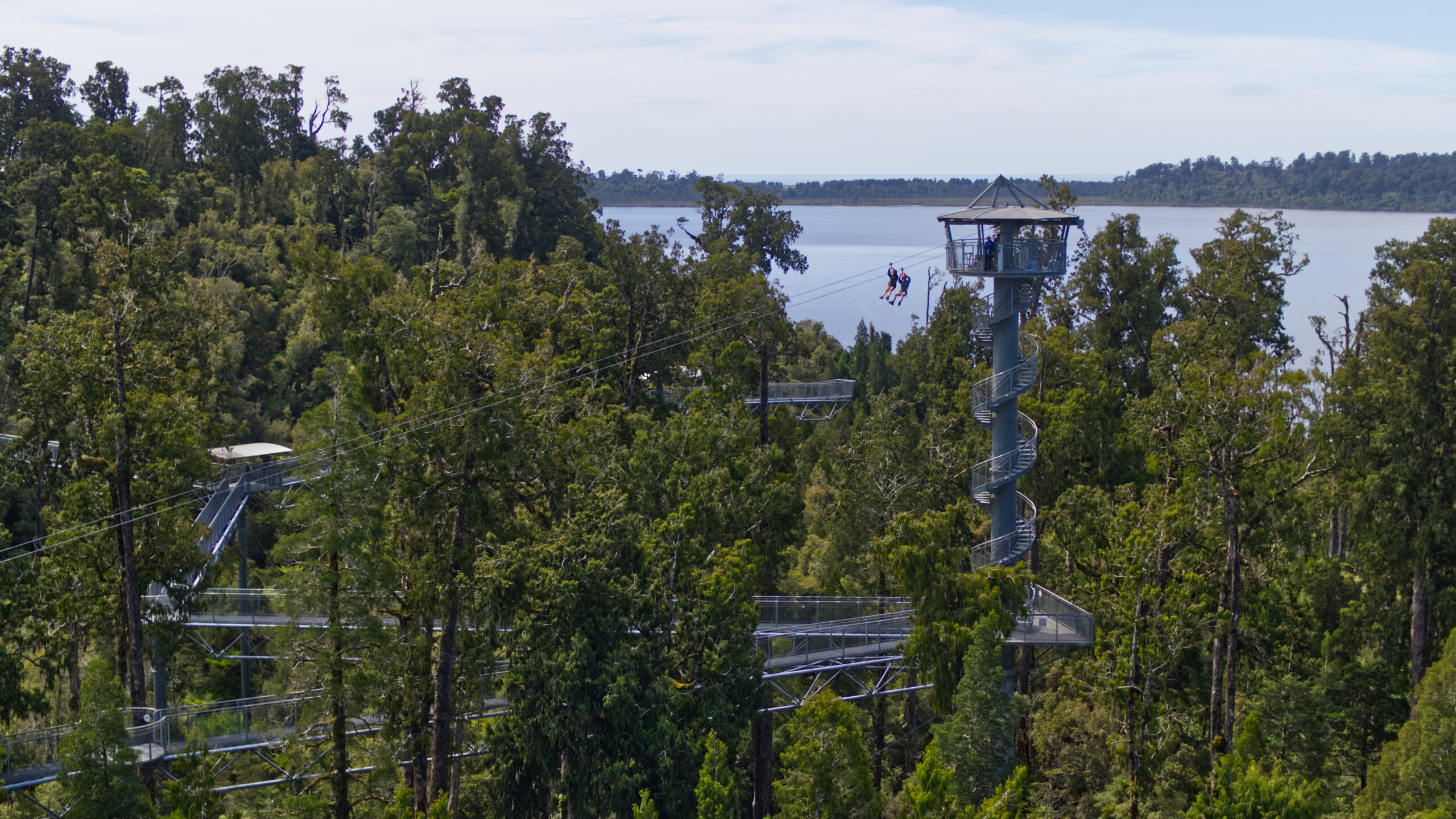
This guide outlines the exact physical steps required to practice eco friendly tourism across the West Coast. We cover scrubbing your boots at trailheads, carrying your rubbish out of the park and exploring the forest from the elevated canopy walkway at West Coast Treetops.
Stepping off a flight into New Zealand introduces a strict reality check immediately. Before you even grab your luggage off the carousel, biosecurity dogs are sniffing your hiking boots for microscopic foreign dirt.
At West Coast Treetops, we treat our isolated ecosystem with extreme caution. Adopting green travel ideas across New Zealand means moving past standard advice and physically protecting the landscape rather than just snapping a few quick photos.
The local Tiaki Promise acts as a cultural framework that asks visitors to act as guardians of the land directly.
Some simple but effective habits include:
Taking A Few Minutes To Scrub Your Boots Clean
Microscopic pathogens pose a massive threat to our native ecosystems. Kauri dieback is a soil-borne disease that damages the root systems of ancient trees and can eventually kill them.
At the same time, an invasive algae known as Didymo (often called ‘rock snot’) chokes pristine freshwater rivers and streams by creating thick, sludge-like mats on the riverbed.
You have a direct responsibility to stop these threats from spreading between different regions when you travel by keeping your gear spotless.
- Strictly using the biosecurity cleaning stations located at track entrances stops the spread of these deadly soil-borne diseases.
- Consistently applying disinfectant spray to your hiking poles stops microscopic spores from travelling between different forest zones.
- Carefully washing your vehicle tyres prevents mud from carrying invasive seeds into protected national parks.
Packing Up Your Food Wrappers After A Long Hike
The Department of Conservation does not provide rubbish bins along remote wilderness trails. Nobody wants to find old plastic wrappers ruining a beautiful lookout point.
Planning a big hike means taking full responsibility for everything you bring into the bush and making a plan to carry it all back out again.
- Proactively packing all your food scraps into a sealed bag prevents local wildlife from eating foreign bacteria.
- Quietly carrying your wrappers out of the park keeps the tracks completely clean for the next group of hikers.
Keeping A Safe Distance From Local Wildlife
Practising environmentally conscious travel across the South Island means treating the landscape with deep respect. Many natural areas are culturally significant to Māori and should be treated with care and respect.
- Physically keeping a wide distance from nesting birds or resting seals stops them from becoming stressed or dependent on human food.
- Carefully observing the rules around Wāhi Tapu sites means you never climb sacred peaks or swim in restricted waters.
Swapping The Muddy Dirt Track For A High Canopy Walk
Trudging through thick mud on the ground always carries a risk of trampling sensitive root systems. Moving your walk up into the branches helps minimise disturbance to the forest floor while offering a unique perspective of the canopy.
West Coast Treetops provides an elevated canopy walkway suspended 20 metres in the air. You get to view the ancient Rimu canopy without stepping on the delicate forest floor. You can view the Southern Alps and the Tasman Sea from our 47-metre Hokitika Tower or take a fast ride on our dual zipline.
We offer flexible pricing options to suit your group. Adult tickets for the self-guided forest walk cost 39 dollars, giving you full access to the canopy, while children enter for 21 dollars.
At West Coast Treetops, we spend our days working right in the middle of the Mahinapua Scenic Reserve. Our team loves educating visitors about the local ecosystem, so please ask us about the native birdlife, the best local hiking trails or how we manage our own environmental footprint when you arrive.
Put these sustainable travel tips into practice with a visit to West Coast Treetops. Book your experience today and discover how you can explore New Zealand’s natural beauty while helping to protect it for future generations.
FAQS
What happens if I forget to declare items at airport biosecurity?
Failure to declare risk items can result in an infringement fee or prosecution, depending on the circumstances and the seriousness of the breach.
Can I camp anywhere I want in New Zealand?
No, you cannot. Freedom camping is heavily restricted. Sleeping in a non-certified vehicle outside designated zones results in an immediate 400 NZD fine. Recent law changes require campervans to hold a current green warrant, meaning they must contain a fixed, certified toilet to camp outside of commercial holiday parks.
What does the Tiaki Promise mean?
It is a pledge to care for New Zealand by protecting nature, respecting local Māori culture and travelling safely. The word Tiaki means to care for and protect, acting as a cultural framework that asks visitors to leave the environment exactly as they found it.
How do I identify a genuinely eco-friendly business in NZ?
Checking for the official Qualmark logo helps you find commercial operators committed to the principles that responsible tourism NZ supports. Backed by Tourism New Zealand, this independent certification ranks tourism businesses with Gold, Silver or Bronze sustainable awards, proving they actively manage their environmental footprint.