Planning a solid South Island travel itinerary means matching the right locations to your personal style. The West Coast offers a diverse range of landscapes and experiences to suit different travellers.
This guide breaks down the best spots for West Coast sightseeing based on what your group wants to do. We cover the dark mirror reflections for photographers at Lake Matheson, the massive glacial ice valleys for hikers and the high canopy walkways built for families at West Coast Treetops.
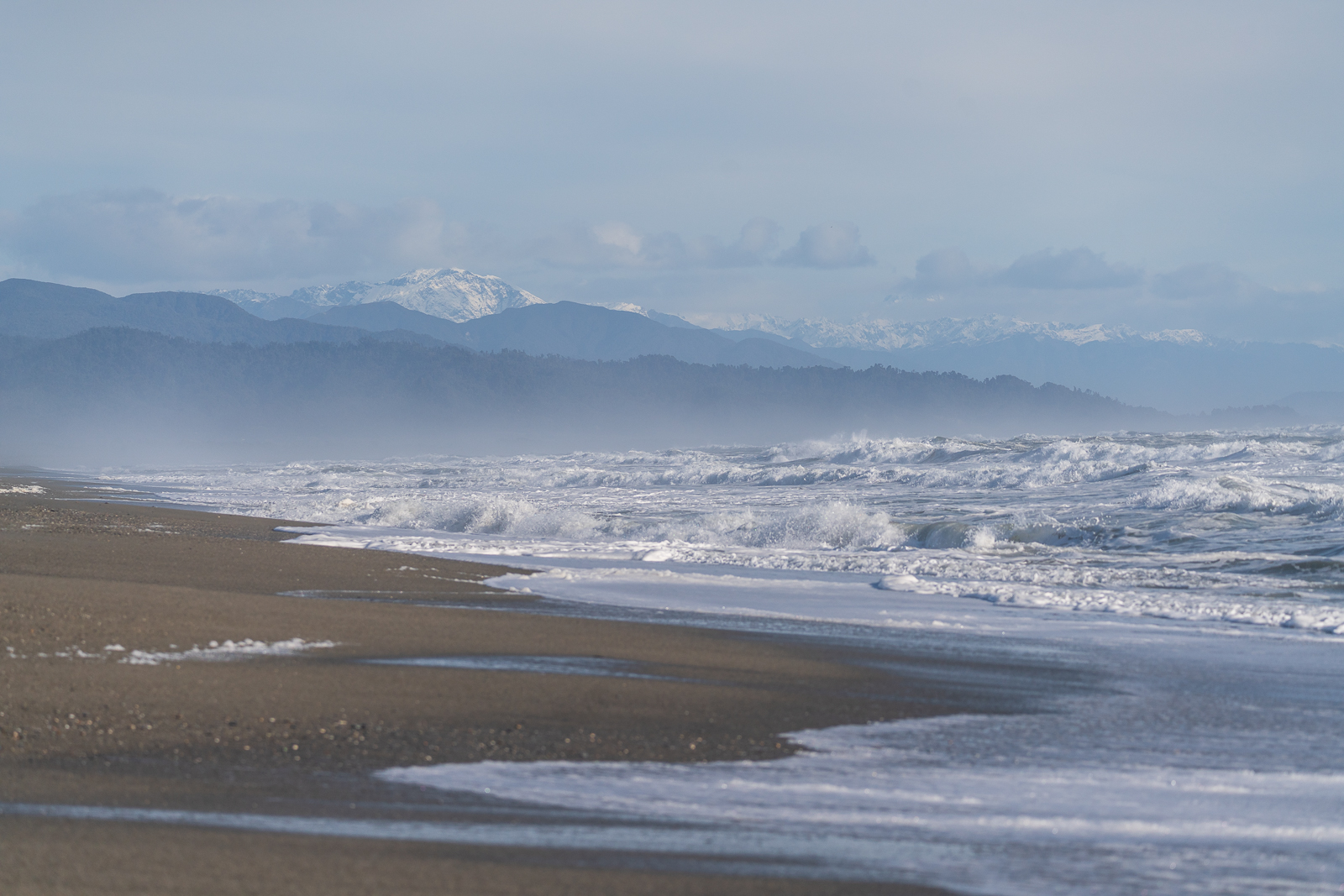
The western shoreline of the country is completely wild, with massive rainforests pushing right up against crashing ocean waves. Because it rains heavily, the air feels crisp and the landscape changes dramatically every few kilometres.
Planning a memorable West Coast road trip means choosing stops that match the interests of the people travelling with you. Finding the best New Zealand travel ideas comes down to knowing if your group wants to explore a glacier valley or simply enjoy a leisurely walk through the rainforest.
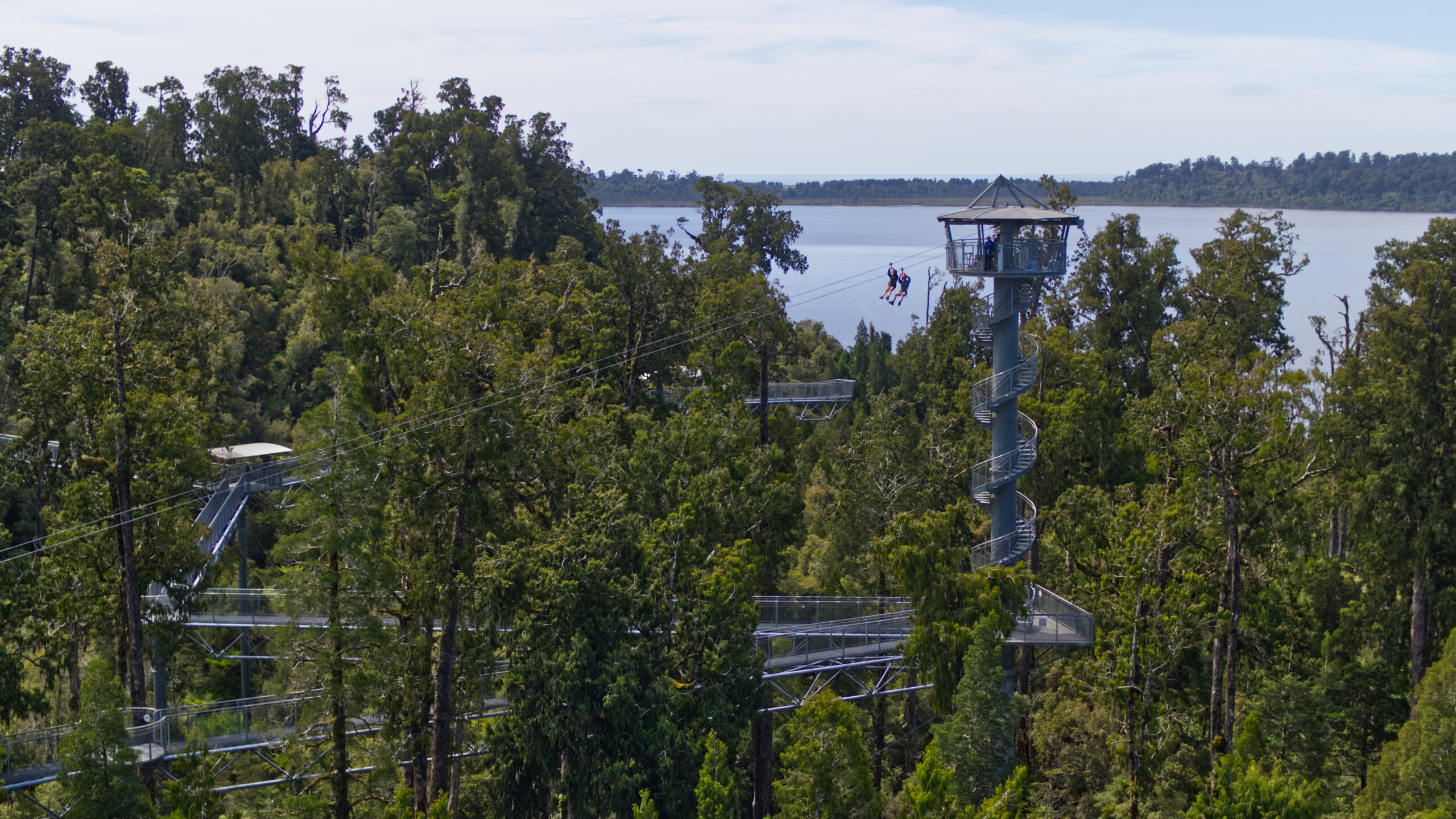
At West Coast Treetops, we see all sorts of people walk through our doors. Families often appreciate accessible, easy-to-walk paths, while photographers look for elevated viewpoints, so our canopy walkway has been designed to offer both.
Photographers Chasing The Perfect Light
If you travel with a camera bag, you need to head straight for Lake Matheson. The water here is naturally dyed dark brown by organic forest tannins. This dark tint can create stunning mirror-like reflections of Aoraki / Mount Cook on calm mornings.
Heading further north, the Punakaiki Pancake Rocks provide a loud and booming display of ocean water blasting through stacked limestone blowholes.
Timing your visit for high tide gives you the biggest water sprays, making it a brilliant spot to pull over. For bright colour, the Hokitika Gorge offers milky turquoise water running rapidly through deep rock walls.
High Energy Crowds Looking For A Rush
If your group hates sitting still, the massive ice structures of the Franz Josef and Fox Glaciers demand a visit. You can walk the flat valley tracks to view the terminal face of the ice or book a helicopter flight to land right on top of the glacier itself.
If you prefer dark caves over bright ice, driving up toward Karamea brings you to the Oparara Basin. You can hike through ancient and massive limestone arches tucked deep inside the primeval rainforest.
Families Keeping The Kids Entertained
Keeping young kids happy on a long drive is tough, meaning you need stops that let them burn off energy safely. Our elevated canopy walkway at West Coast Treetops is completely flat and sits 20 metres up in the ancient Rimu canopy. It is fully wheelchair and stroller accessible, giving kids a brilliant bird’s-eye view of the forest without any heavy climbing.
After wandering the branches, you can take them to Shantytown Heritage Park to ride a real steam train and pan for gold. Alternatively, a quick walk down to Hokitika Beach lets them play on the massive driftwood sculptures and search for greenstone pebbles hidden in the sand.
Skip the generic tourist brochures and just talk to the locals. We spend our entire working week suspended twenty metres up in the Mahinapua Scenic Reserve canopy.
Our team spends every day in the Mahinapua Scenic Reserve and is always happy to recommend nearby attractions, scenic stops and hidden gems to help you make the most of your West Coast road trip.
Planning your West Coast road trip? Book your West Coast Treetops experience online and add an unforgettable canopy walk to your South Island travel itinerary.
FAQS
How many days do I need for a West Coast NZ road trip?
You should allocate at least 3 to 4 days to drive from Nelson or Greymouth down to Haast without rushing through the sights.
What is the best month to visit the West Coast?
The summer months of December to February offer warmer temperatures, though autumn (March to May) brings calmer and much clearer days.
Can you drive the West Coast at night?
Driving at night is not recommended due to narrow and winding roads, a lack of street lighting, and occasional roaming wildlife or rockfalls.
How do I avoid sandflies on the West Coast?
You need to wear long sleeves, choose light-coloured clothing and apply a strong DEET or Picaridin-based insect repellent, especially near the water.